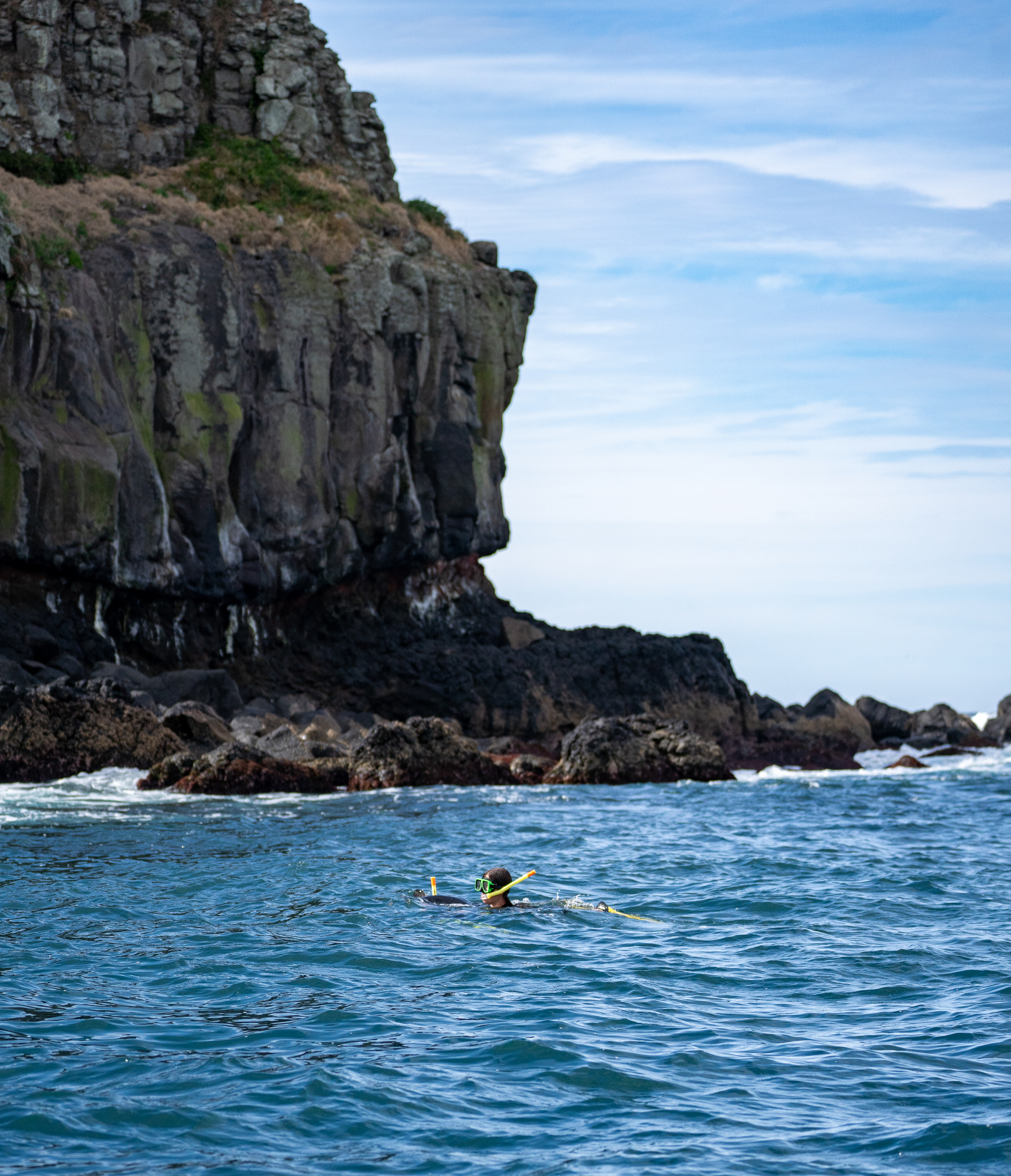
Cook Island
Ocean Health
Expedition
About This Expedition
Building a living record of the reef
Every month, a team of volunteer divers and snorkellers returns to Cook Island Aquatic Reserve to do something simple but powerful: look carefully, photograph everything, and record what they find.
Over time, these monthly snapshots become something extraordinary — a long-term photographic and scientific record of one of Australia's most biodiverse marine sites. Species abundance, habitat change, water health, seasonal patterns. All of it captured by community scientists who care.
You don't need to be an expert. You need a mask, fins, a camera or underwater housing, and the willingness to show up.
"The reef doesn't speak for itself. We go in every month and listen — and over time, we hear things that no single survey ever could."
every year
continuous data
observations
recorded
On the Day
What you'll do on the expedition
Each expedition follows a structured but unhurried format — part citizen science, part underwater wonder.
01
Morning briefing & safety
Meet the team at Fingal Head boat ramp. We'll run a species ID briefing, review the monitoring protocol for the day, and check all equipment before heading out to Cook Island by boat.
02
Underwater survey
Snorkel or dive across designated transects at the reserve, photographing and identifying fish, invertebrates, corals and plants along the way. We work in buddy pairs — no one goes alone.
03
iNaturalist data upload
Back on shore, we upload observations to iNaturalist and the Cook Island Ecology Project — adding your sightings to a growing dataset that informs reserve management and long-term research.
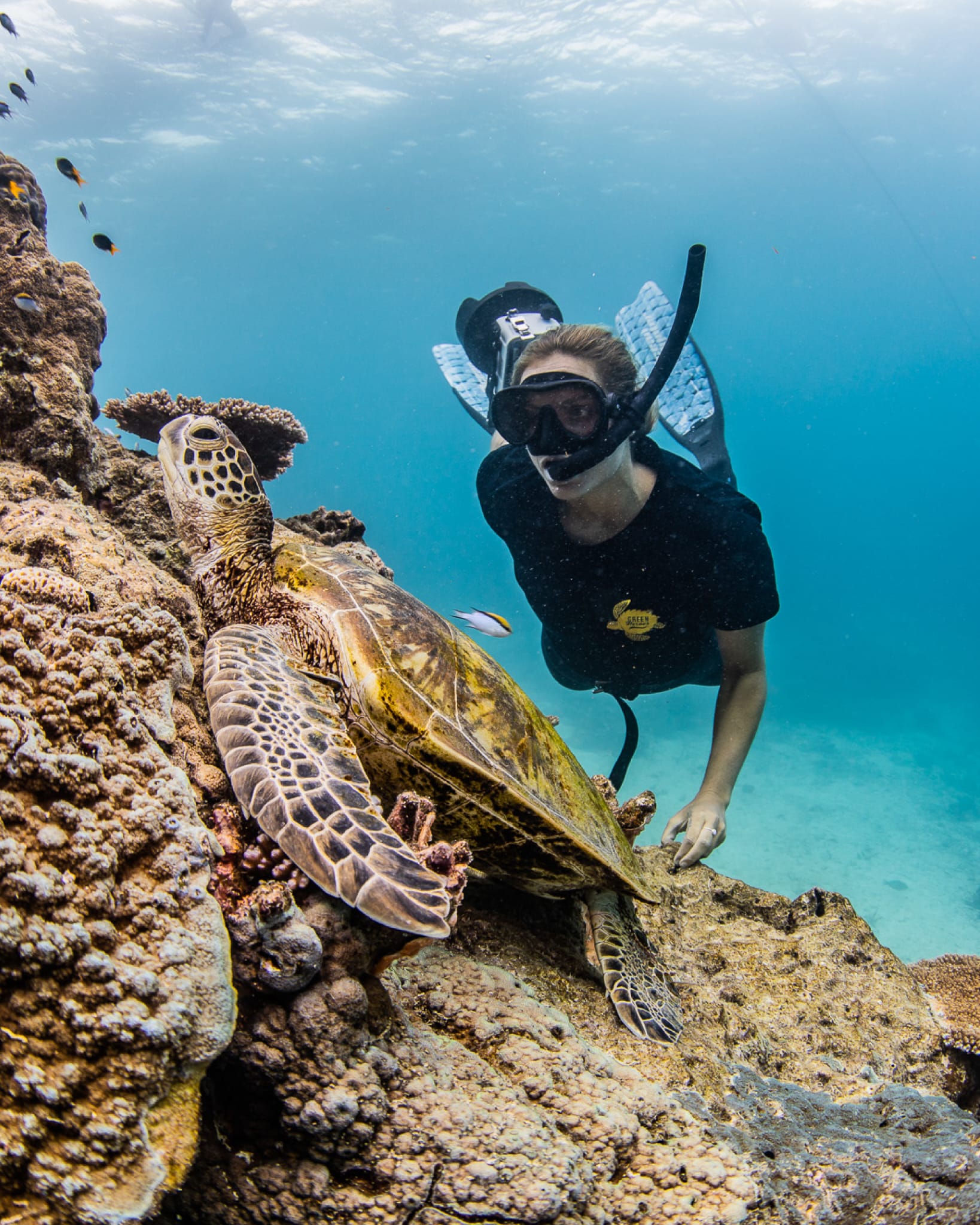 Cook Island Aquatic Reserve, Tweed Coast NSW
What to Bring
Come prepared, we'll do the rest
We provide all the coordination, briefings, data recording sheets and boat transport. You just need to bring yourself and the basics.
- Mask, snorkel and fins (or full scuba gear if certified)
- Wetsuit — 3mm minimum recommended year-round
- Underwater camera, GoPro or housing for your phone
- Sun protection: rashie, hat, reef-safe sunscreen
- Water and a snack — expeditions run 3–4 hours
- iNaturalist account set up on your phone before the day
Expedition Details
Meeting Point
Fingal Head Boat Ramp, NSW
Start Time
7:30am sharp
Duration
3–4 hours on water
Cost
Free — no cost to take part
Minimum Age
14 years (with guardian)
Group Size
Max 12 per expedition
Register your interest and we’ll come back to you with dates, cost and what to bring.
Expeditions operate weather and sea-condition permitting. All participants receive a confirmation and conditions update the Thursday before each expedition.
Register Now
Upcoming expeditions
Runs every 1st Monday of the month
Why It Matters
Your photos become permanent science
Cook Island Aquatic Reserve has no permanent monitoring program. No government agency is checking in every month. The long-term health record of this reef exists because community volunteers show up and document it.
Every observation uploaded to iNaturalist through our Cook Island Ecology Project contributes to a dataset used by NSW DPIRD Fisheries, National Parks and academic researchers to track biodiversity trends, identify at-risk species and inform reserve management decisions.
When you join an expedition, your photographs don't disappear into a hard drive. They become part of a permanent, publicly accessible scientific record — cited in reports, shared with policy makers, and building the case for stronger marine protection.
Learn about the Cook Island Ecology Project →Ready to Join?
The reef is waiting.
We go every month.
You don't need scientific credentials or expensive equipment. You need curiosity, a love of the ocean, and the willingness to show up. We'll teach you everything else.