In partnership with BirdLife Australia Aussie Bird Count 2026
BirdLife Australia
Seabird Survey
Cook Island
Supported by


About this survey
Australia’s birds need people who will look up
Cook Island isn’t just a marine reserve — it’s one of the most important seabird nesting sites on the northern NSW coast. Although small, it is a protected refuge for birds, with 25 species documented within the reserve, including threatened and migratory species whose journeys span thousands of kilometres.
This October, Green Heroes is taking part in BirdLife Australia’s Aussie Bird Count — and we’re taking our count to the water. Join us aboard a boat expedition around Cook Island Aquatic Reserve to discover and record the seabirds that call this place home, resident and migratory alike.
During the expedition we’ll run a dedicated 20-minute bird observation period, recording the species and numbers we see. We’ll also photograph birds and contribute our observations to the growing Cook Island Ecology Project and Digital Atlas.
No birding experience required. If you can look, point and count — you can contribute meaningful data to one of Australia’s most important citizen science programs.
Birds of Cook Island
The birds we’re looking for
Twenty-five species have been documented within the reserve — resident breeders, migratory visitors and oceanic wanderers. A dedicated watch list for the boat trip will follow closer to the day.
Waterbirds & Shorebirds
- Pacific Black DuckAnas superciliosa
- Ruddy TurnstoneArenaria interpres
- Eastern Reef EgretEgretta sacra
- Buff-banded RailGallirallus philippensis
- Sooty OystercatcherHaematopus fuliginosus
- Pied OystercatcherHaematopus longirostris
- Wandering TattlerTringa incana
- Little BitternIxobrychus minutus
Raptors & Birds of Prey
- White-bellied Sea-EagleHaliaeetus leucogaster
- Whistling KiteHaliastur sphenurus
- Eastern OspreyPandion cristatus
Seabirds
- Southern Giant-PetrelMacronectes giganteus
- Australasian GannetMorus serrator
- Great CormorantPhalacrocorax carbo
- Pied CormorantPhalacrocorax varius
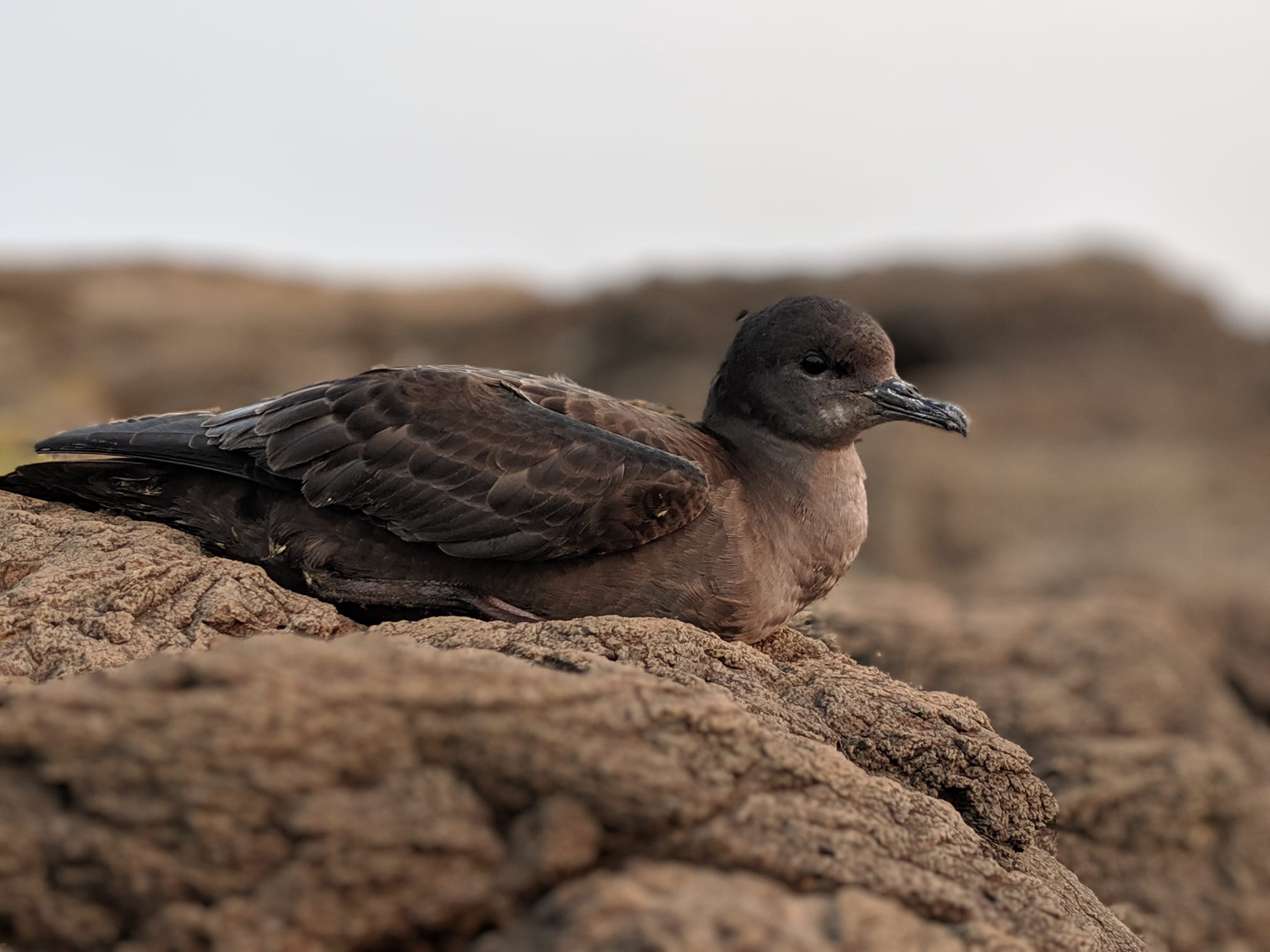
- Flesh-footed ShearwaterArdenna carneipes
- Wedge-tailed ShearwaterArdenna pacifica
- Short-tailed ShearwaterArdenna tenuirostris
- Silver GullLarus novaehollandiae
Terns
- Little TernSternula albifrons
- Crested TernThalasseus bergii
- Caspian TernHydroprogne caspia
- Common TernSterna hirundo
- Gull-billed TernGelochelidon nilotica
Ocean Wanderers
- Black-browed AlbatrossThalassarche melanophris
Species recorded within Cook Island Aquatic Reserve. Not every bird will appear on every survey — that is exactly what makes counting them worth doing.
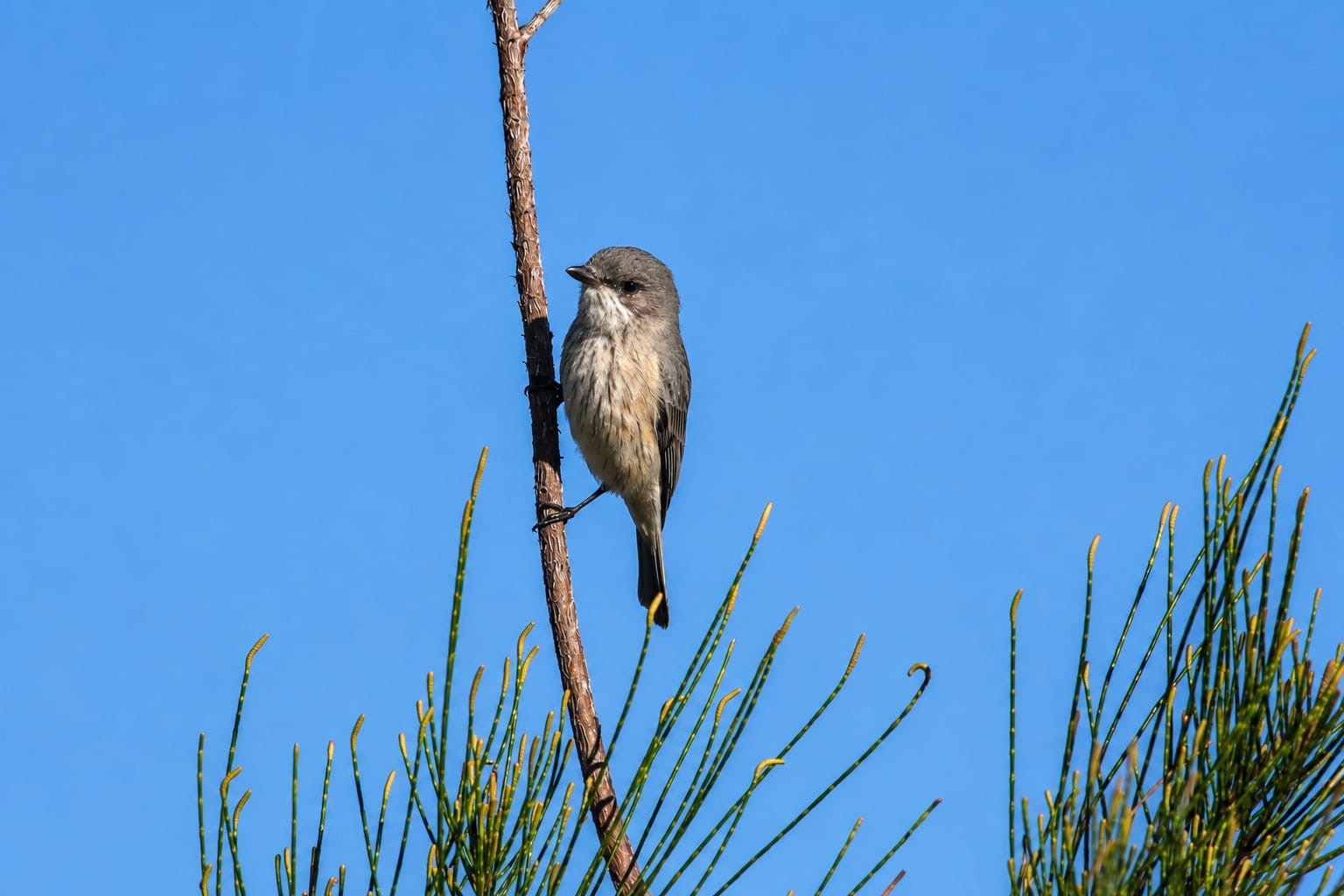 Cook Island Aquatic Reserve · Tweed Coast NSW
On the day
What happens on survey day
See Cook Island from a whole new perspective as we circumnavigate the island by boat, exploring its lesser-seen coastline while searching for seabirds, photographing what we see and taking part in a 20-minute citizen-science bird count.
Morning briefing and bird ID
Meet at Fingal Head boat ramp at 6:30am. Our team runs a briefing on the target species, the survey protocol and how we record sightings for BirdLife Australia before heading out.
The survey
We circle Cook Island aboard our chartered research vessel. During the circuit we take part in a 20-minute bird count as part of BirdLife Australia’s annual Aussie Bird Count.
Data upload and debrief
Back on shore we enjoy a light morning tea while uploading our photos and observations, sharing what we’ve found and comparing results as a group. Every observation feeds the Aussie Bird Count and the Cook Island Ecology Project. There are also certificates and prizes for standout participants — Best Junior Citizen Scientist, Best Bird Spotter and Best Wildlife Photograph.
What to Bring
Come prepared for a day on the water
This is a boat-based survey — no swimming required. Bring your binoculars if you have them, but a good eye is all you really need.
- Binoculars (recommended but not essential)
- Camera with telephoto lens or zoom — for ID and records
- Sun protection: hat, SPF, sunglasses, light long sleeves
- Warm layer — mornings on the water can be cool in October
- Water, snacks and seasickness medication if needed
Survey Details
Meeting Point
Fingal Head Boat Ramp, NSW
Start Time
6:30am (both days)
Duration
Approx. 4 hours
Cost
$80 per person
Skill Level
No experience needed
Group Size
Max 20 per day
$80 per person. No experience needed — booking is handled by TryBooking.
Survey operates weather permitting. Participants receive a conditions update the Wednesday before. You can register for one or both days.
Register Now
Choose your survey day
Our Partner
Part of something bigger: the Aussie Bird Count
The Aussie Bird Count is BirdLife Australia's annual national citizen science event — one of the largest bird surveys in the southern hemisphere. Every October, tens of thousands of Australians spend 20 minutes counting the birds in their patch and submitting the data to build a picture of bird life across the continent.
Our Cook Island Seabird Survey takes that same spirit offshore — contributing boat-based ocean counts that add a dimension the standard survey can't capture. The data becomes part of BirdLife Australia's national seabird monitoring program, informing conservation strategy for species that nest, breed and feed at sea.
Learn more about the Aussie Bird Count →Two Days. Two Surveys. Real Science.
Come count birds with us this October
No experience needed — just curiosity, a pair of eyes, and the willingness to be on the water at dawn. Spots are limited to 20 per day.