Jungarra Ngarrian · Cook Island Aquatic Reserve
Sea Turtle Code of Conduct
Published in 2023 — Australia’s first sea turtle code of conduct, written here at Cook Island, free to download, and now used around the country.
Why it matters
Swimming with turtles is a privilege. The code exists to keep it that way.
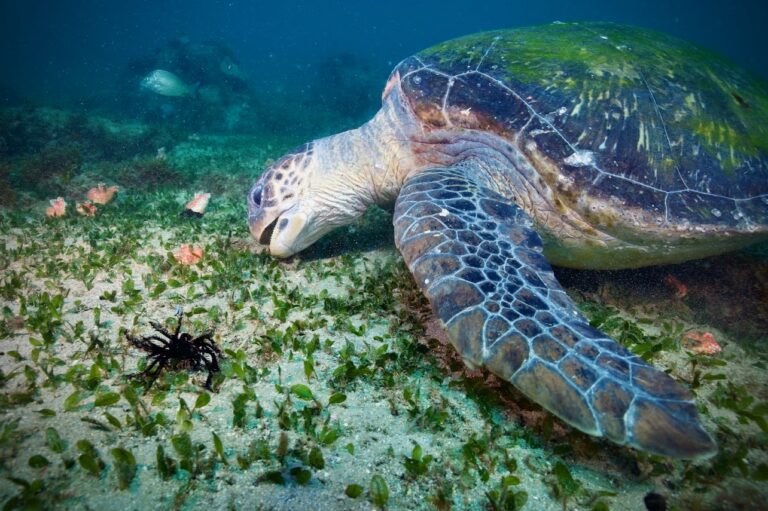
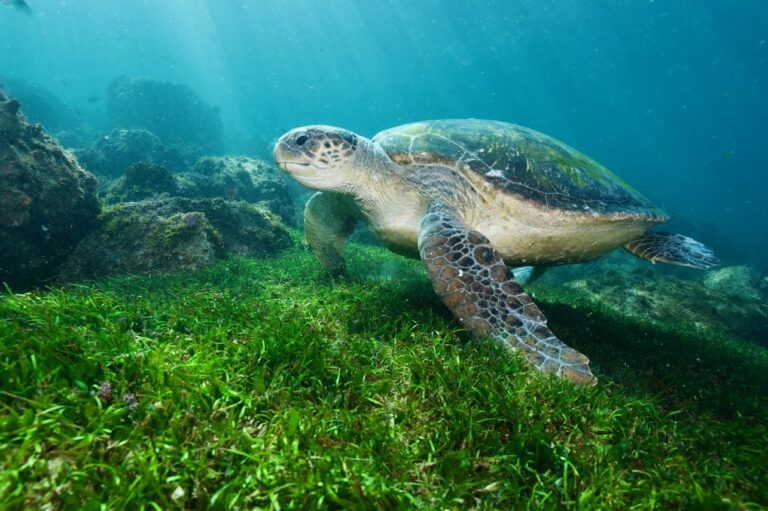
Cook Island is one of Australia’s best places to meet a turtle in the water. The reserve is home to threatened green, hawksbill and loggerhead turtles, and as visitor numbers grew, so did reports from community members, dive operators and tourists of encounters that were putting turtles under stress.
Nobody had written the rules down. There was no national standard and no shared resource for the people who needed it most: the operators, dive shops and in-water enthusiasts turning up at Cook Island every day.
How it came about
A community wrote the rules for swimming with turtles
Green Heroes set out to close the gap: a plain-English guide to sharing the water with turtles, written for the people actually in it. There was nothing like it in Australian waters when we published it in 2023.
The code is deliberately simple and free. It has since been picked up well beyond the Tweed Coast by dive shops, tour operators and community groups around the country.
Research collated by World Animal Protection suggests most people who seek out an animal encounter do so because they already care, and that a positive close encounter makes someone more likely to change their habits and support conservation afterwards. Non-captive encounters have the strongest effect of all. Getting these encounters right matters well beyond the turtle in front of you.
“To safeguard this incredible biodiversity hotspot, we need the support of the local community.”Kristie Morgan · Kirra Dive on the Tweed
Watch
The short film
Free to watch and share. Made for anyone heading into the water at Cook Island.
The code
Swimming with turtles
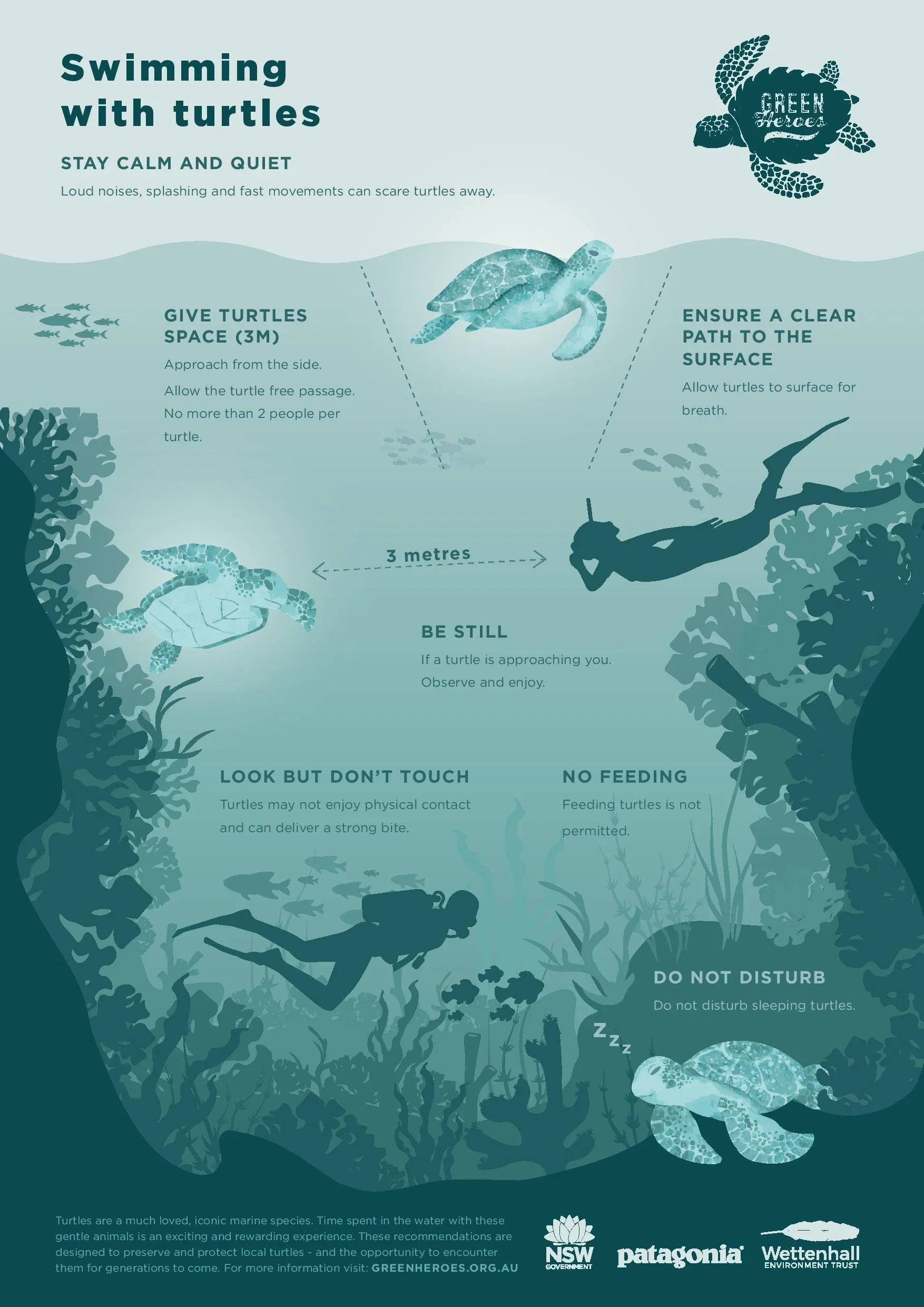
Seven simple rules for any encounter, whether you are snorkelling, diving or photographing. This is the whole code — there is nothing else to learn.
Stay calm and quiet. Loud noises, splashing and fast movements can scare turtles away.
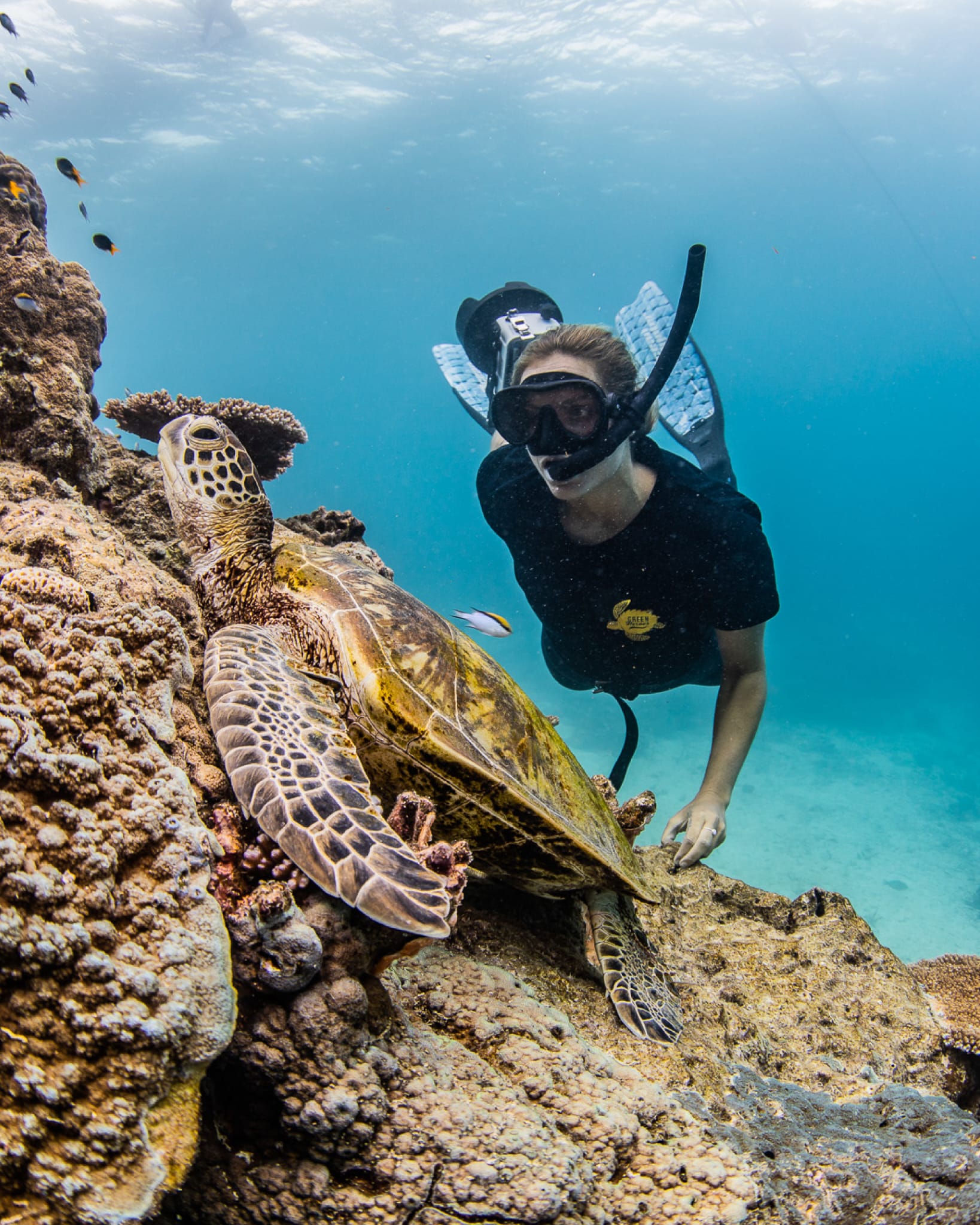
Give turtles space — 3 metres. Approach from the side, allow the turtle free passage, and keep it to no more than two people per turtle.
Ensure a clear path to the surface. Turtles need to surface to breathe. Never block the way up.
Be still. If a turtle is approaching you, stay where you are. Observe and enjoy.
Look but don’t touch. Turtles may not enjoy physical contact and can deliver a strong bite.
No feeding. Feeding turtles is not permitted.
Do not disturb. Leave sleeping turtles alone.
Free resource
Swimming with Turtles
Our A3 poster distils the code into a simple visual guide. It is free to download, print and share, and it is built for dive shops, boat ramps, schools and community noticeboards.
Designed as part of a pilot for Australian waters, by people who want turtles kept wild and healthy.
Download the poster View the NSW DPIRD pageA separate code
Cook Island Aquatic Reserve Code of Conduct
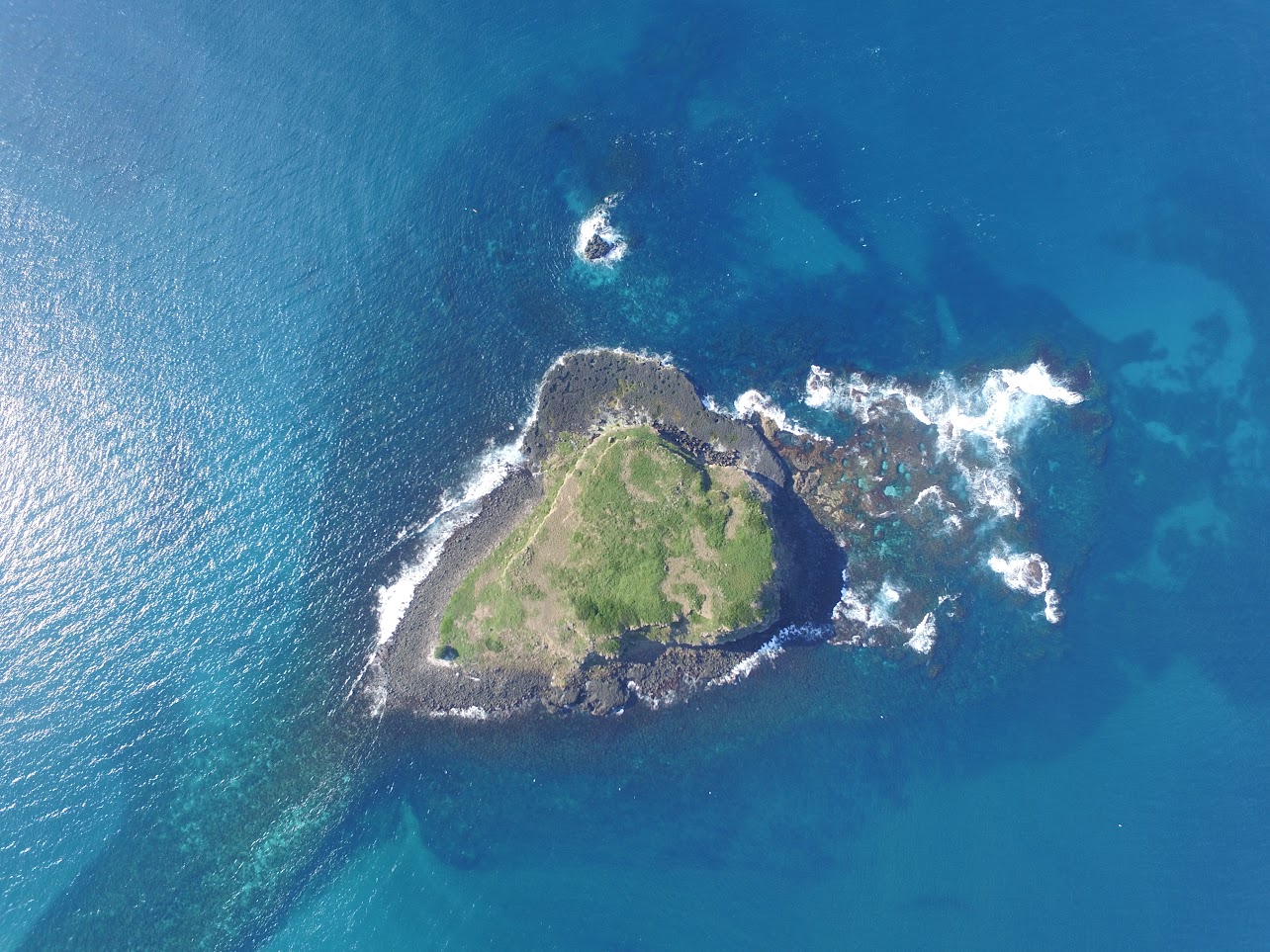
This is a different document, and it covers the reserve rather than turtles alone. In 2023–24 every snorkel and scuba operator working at Cook Island developed and signed it, alongside NSW DPIRD Fisheries and the National Parks & Wildlife Service. Green Heroes helped bring it together.
It sets out the rules for the sanctuary zone plus best-practice advice, including a pre-dive briefing operators give every client. If you arrive on a private boat, these apply to you too.
“The Code of Conduct is designed to help tour operators and visitors experience the reserve sustainably, outlining the rules for the aquatic reserve and best practice advice.”Lesley Diver · Senior Manager Marine Planning, DPIRD Fisheries
Admire marine life with your eyes only. Avoid touching anything, whether alive or dead, including shells.
Maintain a respectful distance. Observe without pursuing, herding, obstructing their path or disturbing them.
Use the moorings provided. Anchoring damages corals, rocky reefs and seagrasses.
Keep vessel speed under 4 knots. Avoid motoring between Cook Island and the moorings, for the safety of people in the water and to prevent wildlife strikes.
Enjoy Cook Island from a distance. Do not land on the island or stand on the surrounding reef.
Stay off the rocks and coral. Avoid standing, walking or resting on them, and do not grip them for support when photographing or resting.
Mind your fins and gear. Take care where you place your fins and secure loose equipment such as cameras, gauges and torches.
Do not feed marine animals. It changes their natural behaviour.
Minimise flash and bright lights. Especially at night, to reduce stress on wildlife.
Choose eco-friendly sunscreen. Reduce how much you need by wearing protective clothing.
Sanctuary zone rules and best-practice advice published by NSW DPIRD Fisheries. Private boat users are asked to learn them before boating, snorkelling or diving in the reserve.
Life inside the reserve