Citizen science
Upload your photos
You don’t need to be a scientist, own a good camera, or know what anything is called. If you photographed it here, we want it.
Not keen on forms? Email your photos to hello@greenheroes.org.au and we will do the rest.
Share your sightings
Seen something interesting? We’d love to see it
It takes a couple of minutes, and you do not need to know what you photographed.
Easiest
Send them straight from your phone
Our upload page reads the date and location out of each photo, so there is almost nothing to type. It shrinks them first as well, so it works on a weak signal and barely touches your data.
- Open the page on your phone.
- Pick the photos from your camera roll.
- Add your name and email, and send.
Do it yourself
Add your own identifications
If you already know what you photographed, tell us on the way through. Every photo on the upload page has a box for your best guess, and our volunteers check it rather than starting from scratch.
- Open the upload page and choose your photos.
- Add a name to anything you recognise.
- We confirm it and credit the sighting to you.
Why it matters
A photo with a date and a location on it is scientific data.
Every photo taken at Cook Island and Fingal Head adds a point to a record that is still surprisingly thin. Reef sites like this one are badly under-represented, and much of what we know about the reserve comes from volunteers with phones rather than funded surveys.
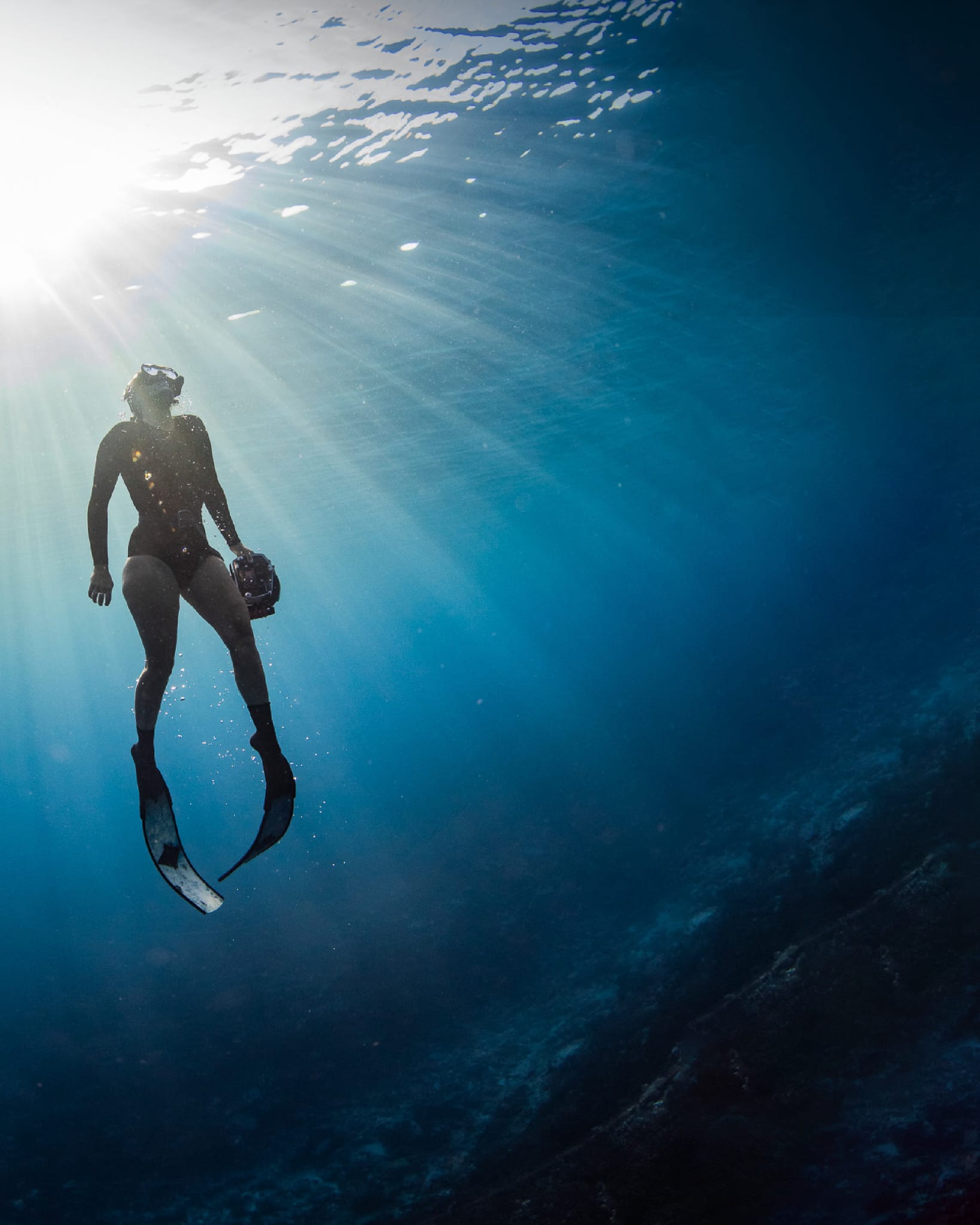
You do not have to be on one of our expeditions. Photos from your own dives, snorkels, kayak trips and beach walks all count, and they fill the gaps between our monthly surveys, the ordinary days when nobody is out there recording.
What to send
Anything alive, and the places it lives
If you are not sure whether something is worth recording, it is. The most common answer to “is this interesting?” is yes.
Animals
Mammals, birds, reptiles, amphibians and everything in between. Common species are valuable too — absence is data.
Plants & fungi
Trees, flowers, grasses, mosses, lichens and fungi. Seasonal changes and unusual growth are worth recording.
Insects & invertebrates
Butterflies, bees, beetles, spiders, crabs, snails, nudibranchs and all the small things people often overlook.
Marine life
Fish, rays, turtles, dolphins, sharks and other creatures in and around our waterways and coast.
Habitats & landscapes
Reefs, rock platforms, beaches, rivers, wetlands, forests and other habitats. A photo of a place can be just as valuable as a photo of an animal.
Signs & discoveries
Tracks, nests, feathers, shells, eggs, bones, scat, feeding marks, unusual finds — and even animals or plants that have recently died.
Getting a useful shot
Six things that make a photo count
None of these need skill or equipment. They are just the difference between a photo that can be identified and one that cannot.
Get it in focus, not perfect
A sharp phone photo beats a blurry one from an expensive camera. Nobody is judging the composition.
Take more than one angle
Two or three shots from different sides make identification far more likely, especially for fish and nudibranchs.
Keep the date and location on
Leave GPS and timestamps enabled on your phone or camera. Without when and where, a photo is a nice picture but not a record.
Include something for scale
A hand, a fin, a rock. Size is one of the first things needed to tell similar species apart.
Do not chase the shot
No photograph is worth stressing an animal. Let it come to you, and back off if it changes behaviour.
Send the ordinary ones
Most people only submit the exciting encounters. A photo of a common bream on a normal day is genuinely useful.
Get the shot without causing harm
Cook Island is a sanctuary zone. Do not touch, chase, block or feed anything to get a photograph, and never stand on the reef or hold coral for balance while you shoot. Keep flash to a minimum, especially at night.
We helped write Australia’s first sea turtle code of conduct, and it covers exactly this. Worth two minutes before you go in.